
In a shocking turn of events, Speaker Mike Johnson stormed out of the House chamber mid-session today as tensions reached a boiling point over a lawsuit that could reshape the political landscape. The lawsuit, filed by Arizona’s Attorney General and Congresswoman-elect Edelita Grahalva, accused Johnson of unlawfully delaying her swearing-in, a move critics say was designed to obstruct a crucial vote on the Epstein files.
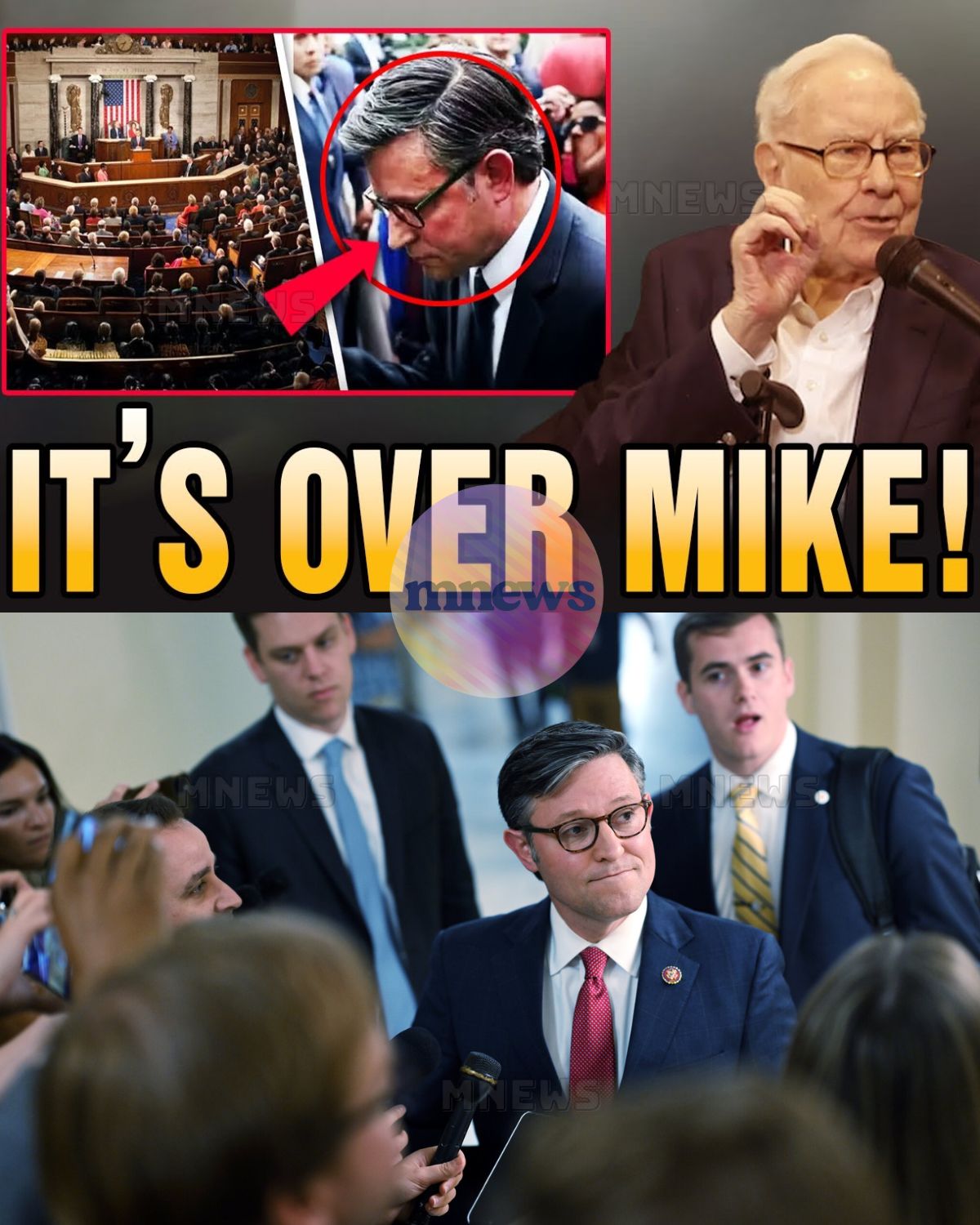
For nearly a month, Johnson’s refusal to recognize Grahalva’s election raised alarms about procedural integrity in Congress. This was not a mere clerical oversight; it was a calculated maneuver to protect political allies linked to the Epstein scandal. As the clock ticked down, Johnson’s delay became a flashpoint, culminating in a federal court ruling that deemed his actions unconstitutional. The court’s decision forced Johnson to seek Grahalva’s immediate swearing-in, a stark rebuke that sent shockwaves through Capitol Hill.
As cameras rolled, Johnson’s abrupt exit from the House floor was more than just a dramatic moment; it marked a significant rupture in leadership. The Speaker, once seen as a stabilizing force, now faces mounting pressure from within his own party. Moderate Republicans, uneasy with his approach, are calling for a leadership reset as cracks in GOP unity begin to widen. The fallout from this incident threatens not just Johnson’s authority but the very credibility of the Republican Party as it heads into the 2026 midterms.
The stakes couldn’t be higher. Grahalva’s vote represents a potential tipping point for a discharge petition that could force a vote on the Epstein records, a move that many in the GOP are desperate to avoid. Johnson’s strategy to delay her swearing-in was not just about one vote; it was about preserving the party’s reputation and shielding influential allies from scrutiny. Yet, as the judicial rebuke reverberates, the implications extend far beyond a single legislative battle.
In the wake of Johnson’s exit, Democrats are seizing the opportunity to frame this incident as a case study in constitutional accountability. The narrative is shifting, positioning Grahalva not merely as a delayed representative but as a symbol of institutional resistance against a backdrop of political obstruction. This moment could redefine the boundaries of congressional authority, forcing leaders to reckon with the consequences of prioritizing partisan interests over democratic principles.
As the dust settles, the Republican Party finds itself at a crossroads. With Johnson’s credibility in question and internal dissent growing louder, the path forward remains uncertain. The fallout from this crisis is just beginning, and the implications for both Johnson and the GOP could be profound. The public is watching closely as the struggle for power and accountability unfolds in the halls of Congress, and the question remains: can trust be rebuilt once it has been shattered?


